
"green coffee defects"
2000 article(s) found

Understanding what is coffee defective beans classification of defective beans how to select defective beans
Professional coffee knowledge exchange more coffee bean information please follow the coffee workshop (Wechat official account cafe_style) about "coffee defective beans" the definition of the American Fine Coffee Association (SCAA) basically, the seeds produced by healthy coffee trees are washed, sunburned, fermented, dried and shelled, the whole post-processing process is flawless, and the color of coffee beans should be blue-green, light green or yellow.
Coffee knowledge | grading of defective beans in SCAA boutique coffee
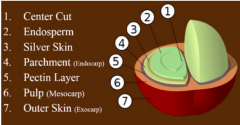
According to the SCAA (American Fine Coffee Association), raw beans are divided into category I and II defects. Before we understand the defective beans, let's take a look at the structure of the coffee fruit. The structure of coffee fruit after picking, the coffee fruit needs to go through a series of processes before it can become what we call coffee raw beans. This series of processes are often referred to as the handling of raw coffee beans or in the industry.

The standard of SCAA pecialty Coffee boutique coffee raw beans is necessary for a good cup of coffee.
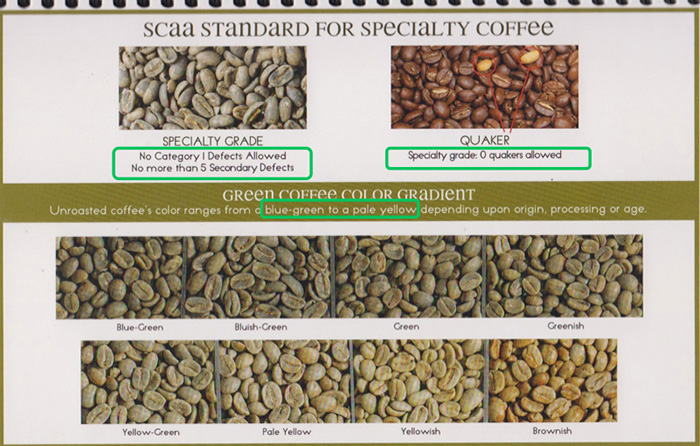
The raw bean defects of SCAA can be divided into two types: I and II. The requirement for premium coffee grade (specialty coffee) is: 1. There are no class I defects; 2. No more than 5 II class defects 3. There can be no "quaker" (0 quaker) Quick beans in cooked coffee beans. 4. The color range of raw coffee beans is pale yellow (light yellow), yellow-green (
Boutique coffee beans: the standard of SCAA pecialty Coffee boutique coffee raw beans
The raw bean defects of SCAA can be divided into two types: I and II. The requirement for premium coffee grade (specialty coffee) is: 1. There are no class I defects; 2. No more than 5 II class defects 3. There can be no "quaker" (0 quaker) Quick beans in cooked coffee beans. 4. The color range of raw coffee beans is pale yellow (light yellow), yellow-green (
What are the common types of defective beans in raw coffee? the effect of defective beans on coffee
Professional coffee knowledge exchange more coffee bean information please follow the coffee workshop (Wechat official account cafe_style) according to the statistics of the International Coffee Organization (ICO), there are about 1.5 million metric tons of defective beans worldwide in a year. Defective beans will be consumed by the producing countries or transferred to low-cost formula beans, made into comprehensive coffee beans or sold cheaply to instant coffee factories to make three-in-one coffee and so on. Mixed bitter taste

Introduction of coffee defective bean varieties to understand the culprit that affects the quality of a cup of coffee
Coffee beans have many flaws, and there are a variety of flaws. There are many reasons for defects. Defects may affect our taste experience of coffee at different levels, and may also affect our health. However, many defects that can be clearly seen in raw beans can be quickly invisible once baked. Therefore, most of the coffee cooked beans we usually see are uniform in appearance and consistent in appearance.
Standard of SCAA pecialty Coffee Fine Coffee Raw Bean
[SCAA "Specialty Coffee" standard for high-quality coffee raw beans] the raw bean defects of SCAA can be divided into two types: I and II. The requirement for premium coffee grade (specialty coffee) is: 1. There are no class I defects; 2. No more than 5 II class defects 3. There can be no "quaker" (0 quaker) Quick beans in cooked coffee beans. 4. The appearance of raw coffee beans

SCA Arabica Coffee Raw Bean grading Manual _ how do Arabica coffee beans be graded?
Professional coffee knowledge exchange more coffee bean information please follow the coffee workshop (Wechat official account cafe_style) [the standard of SCAA Specialty Coffee fine coffee raw beans] the raw bean defects of SCAA can be divided into two categories: I and II. The requirement for boutique coffee grade (specialty coffee) is that there are no Class I defects and no more than 5 II classes are missing.

Points for attention in the examination process of Q-Grader raw beans how to distinguish defective coffee beans
CQI Coffee quality Institute's Q-Grader Coffee tasting Test has always been the most stringent and valuable sensory test in the global coffee industry. In this examination, in addition to the higher requirements for the sensory ability of candidates, but also have a certain understanding of the basic knowledge of coffee. Explain,

Indonesia Colombia Brazilian green coffee beans grading Indonesia coffee defective beans have what?
There is no universal grading standard for green coffee beans. In fact, almost every country has its own grading standard. Costa Rican coffee is classified according to altitude, and coffee is divided into extremely hard beans (SHB), hard beans (HB), semi-hard beans (SH), super washed beans (EPW), super washed beans (PW), super washed beans (EGW), and good washed beans (GW). And Colombia

The gap between high-quality coffee and instant coffee powder, defective beans affect the quality and flavor
Exchange of professional baristas please pay attention to the aroma of a cup of coffee in the coffee workshop (Wechat official account cafe_style) to remind us of the importance of proper preservation of raw materials during food journey, the quality of coffee beans affects the flavor when drinking, and even improperly stored coffee beans may contain toxins, long-term consumption may have consequences on health. Passing the standard is fine coffee. We are buying raw beans.

Observe the 10 elements of raw coffee beans
The raw bean seller is mainly responsible for grading the coffee beans before selling them to the coffee bean merchant. After the grading is completed, premium coffee beans and boutique coffee beans will be selected, although they will have some defects but do not affect the coffee rating. These defects are not so serious, but they can also cause potential damage to the quality of coffee. Although Cupping is undoubtedly the most definite way to check coffee beans.
American Specialty Coffee Association Green Coffee Bean Classification Description
Grade 1: Excellent grade Defects: 0-5 No visible defects allowed Total weight of sample: 300 g Sample size variation: less than 5%, about 5%, or within the specified range Appreciation characteristics: Must be outstanding in at least one of the following characteristics: taste, acidity, taste, aroma. The characteristics will be determined jointly by the buyer and seller. After cup testing, there are no defects. baking error

10 factors to consider when choosing raw coffee beans
The raw bean seller is mainly responsible for grading the coffee beans before selling them to the coffee bean merchant. After the grading is completed, premium coffee beans and boutique coffee beans will be selected, although they will have some defects but do not affect the coffee rating. These defects are not so serious, but they can also cause potential damage to the quality of coffee. Although Cupping is undoubtedly the most definite way to check coffee beans.
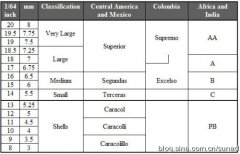
10 factors to consider when selecting raw coffee beans
The raw bean seller is mainly responsible for grading the coffee beans before selling them to the coffee bean merchant. After the grading is completed, premium coffee beans and boutique coffee beans will be selected, although they will have some defects but do not affect the coffee rating. These defects are not so serious, but they can also cause potential damage to the quality of coffee. Although Cupping is undoubtedly the most definite way to check coffee beans.

Observe the common sense of 10 elements of coffee beans
The raw bean seller is mainly responsible for grading the coffee beans before selling them to the coffee bean merchant. After the grading is completed, premium coffee beans and boutique coffee beans will be selected, although they will have some defects but do not affect the coffee rating. These defects are not so serious, but they can also cause potential damage to the quality of coffee. Although Cupping is undoubtedly the most definite way to check coffee beans.
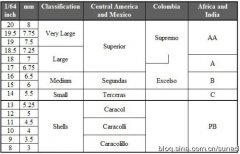
Ten elements of coffee common sense to consider when choosing raw coffee beans
The raw bean seller is mainly responsible for grading the coffee beans before selling them to the coffee bean merchant. After the grading is completed, premium coffee beans and boutique coffee beans will be selected, although they will have some defects but do not affect the coffee rating. These defects are not so serious, but they can also cause potential damage to the quality of coffee. Although Cupping is undoubtedly the most definite way to check coffee beans.
Classification and classification of coffee beans | meaning of the name of coffee
For more information on coffee beans, please follow the coffee workshop (Wechat official account cafe_style)-- how coffee is named-- G1, G2, G3, G4, AA, PB, SHB, SHG, EP, PLANTATION. Have you ever wondered what the difference is? Are you curious about what they are referring to? Today we are going to start talking about what we usually buy
Selection and purchase of raw coffee beans (industry)
How to buy raw beans? What kind of raw beans are good raw beans? Raw bean sellers (usually coffee farmers or processing plants that deal with raw beans) must be responsible for the grading of coffee beans before they are sold to buyers (usually importers, brokers, or bean merchants). Once the grading is completed, the two grades of coffee are "Exceptional" and "Specialty".

Why pick beans? What is the effect of defective beans on coffee? How coffee defective beans are formed
Professional coffee knowledge exchange more coffee bean information please follow the coffee workshop (Wechat official account cafe_style) coffee raw beans can detect more than 300 kinds of aroma compounds, coffee cooked beans are more than 850 kinds of complexity (this data is quoted from boutique coffee), but in the process of baking or brewing, there will still be bad strange smell, which is of course abhorrent.